Light, Hue, and the Art of Atmosphere

Today we’re exploring lighting and color strategies to elevate interior spaces, revealing how thoughtful illumination and intentional palettes can transform comfort, productivity, and emotion. Expect practical tips, real stories from lived-in rooms, and human-centered ideas you can test this week. Share questions as you read, save what resonates, and consider subscribing so we can keep guiding your journey toward more beautiful, life-affirming interiors.

Layered Illumination That Shapes Experience

Ambient Foundations

Ambient lighting establishes a gentle baseline, like a soft soundtrack that supports everything without stealing attention. Think ceiling washes, diffused pendants, or concealed coves that spread light evenly. Aim for uniformity without monotony by bouncing light off walls or ceilings. A small dimmer can be transformative, letting evening meals feel intimate while weekend cleaning remains bright. Notice how the room’s mood follows the ambient level, then write down what feels best.

Task Precision

Task lighting serves specific activities with clarity and care. Desk work thrives with adjustable arms positioned opposite your writing hand, while kitchen prep benefits from bright counters free of harsh glare. At vanities, vertical fixtures on both sides reduce shadows and reveal accurate color. Keep light where you need it, not everywhere. The right beam spread, mounting height, and distance from the surface make focus comfortable rather than tiring.

Accent Drama

Accent lighting adds narrative and delight by guiding the eye to artwork, plants, or textures that deserve attention. Use narrow beams to model form, grazing to enhance stone or brick, and small uplights to sculpt foliage. A single well-placed accent can redefine a wall, creating rhythm without clutter. Try turning off everything but accents for a few minutes each evening; notice how calm and conversation reappear when the room whispers instead of shouts.

Color Psychology You Can Actually Use
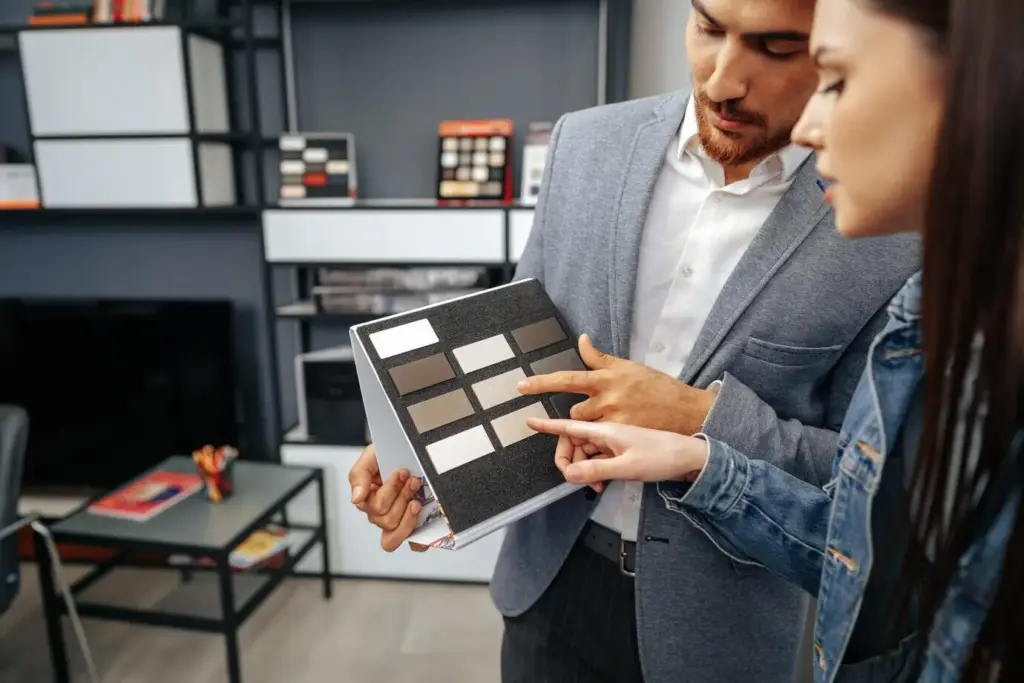
Color quietly directs behavior, reshaping how large or small, warm or cool, energized or relaxed a space feels. Warm hues invite, cool hues clarify, and balanced neutrals provide rest. Consider saturation carefully; vivid strokes energize but quickly overwhelm when used without boundaries. Align palettes with purpose: social zones can glow with friendly warmth, while focused areas benefit from cooler clarity. Observe reactions over days, since changing daylight gently rewrites color stories across time.

Daylight, Windows, and the Moving Sun

Natural light changes color and direction from dawn to dusk, tinting walls and floors with subtle shifts that electric lamps rarely replicate. Study orientation: north is cool and steady, south is bright and warm, east welcomes crisp mornings, and west glows amber at day’s end. Use sheers to diffuse, blinds to aim, and plants to soften. Tune interior colors knowing that daylight will rewrite them hourly, then design lighting to support these rhythms gracefully.

Reading the Room’s Orientation

Stand in your space at different hours and log what happens. Does the east-facing kitchen sparkle early but feel stark by noon? Are north rooms too cool for evening relaxation? Such clues decide paint undertones and fixture placement. Consider reflective surfaces that bounce light deeper into the plan. If glare or hotspots appear, redirect with matte finishes or light shelves. Treat each wall as a canvas for the sun’s brush, then choose allies wisely.

Harnessing Soft Diffusion

Diffuse sunlight is tender on eyes and honest to colors. Sheer curtains, woven shades, and frosted films keep privacy without severing the sky. During summer, exterior shading cuts heat before it enters, protecting comfort and finishes. Pair diffusion with a gentle ambient layer so clouds do not steal usability. A client once replaced heavy drapes with layered sheers and a ceiling cove; mornings brightened, plants thrived, and screen glare quietly disappeared.

Merging Inside and Out

When exterior greens and blues mingle with indoor palettes, rooms feel larger and calmer. Echo a garden’s olive in cushions, or match a patio’s stone with interior ceramics. At twilight, exterior path lights extend sightlines, reducing the black mirror effect of windows. Choose interior bulbs that complement dusk—slightly warmer, softly dimmed—so the threshold feels continuous. The goal is not imitation, but conversation, where outside scenery becomes a living, breathing backdrop for daily rituals.

Setting Color Temperature with Intention

Color temperature, measured in Kelvin, gently steers mood. Around 2700K feels cozy and candlelike, perfect for dining, while 3000K–3500K suits kitchens and living spaces balancing warmth and clarity. Work zones may benefit from cooler settings, but avoid sterile extremes. Consistency across a room reduces visual fatigue, though purposeful contrasts can define zones. When in doubt, choose sources that dim warm so evenings unwind naturally, echoing the sun’s descent below the horizon.

Why High CRI Matters

Color Rendering Index indicates how faithfully a light source reveals colors compared to daylight. Higher CRI makes wood grain richer, skin healthier, and textiles more honest. This matters in wardrobes, studios, and anywhere decisions about color occur. Seek bulbs labeled 90+ CRI for critical areas, and test with objects you love—a scarf, a print, a favorite plant. When colors read true, rooms feel trustworthy, and your design intentions finally speak without distortion.

Dimming, Scenes, and Tunable White

Control is where magic happens. Dimmers let a single fixture perform morning pep and evening serenity. Scene controllers group sources for repeatable moods—movie night, focused work, unhurried dinner. Tunable white systems shift Kelvin across the day, supporting circadian comfort and personal preference. Start simple with plug-in dimmers, then grow into smart hubs if helpful. Invite housemates to name and save favorite scenes; shared rituals emerge, and spaces begin to serve people, not the other way around.

Transforming Compact Rooms with Light and Paint

Small spaces reward precision. Strategic brightness, clean sightlines, and considered color harmonies can stretch perception dramatically. Bounce light off pale ceilings, keep corners luminous, and minimize harsh contrasts that slice rooms apart. Unify trims and walls to reduce visual breaks, then introduce controlled accents to avoid blandness. Mirrors, metallics, and glossy ceramics reflect without noise when placed thoughtfully. With restrained choices, compact rooms become calm, legible, and surprisingly generous to live within.

From Idea to Plan: A Practical Workflow

Clarity arrives when you translate intentions into drawings, samples, and repeatable decisions. Start with values—what feelings should this room support most? Then map activities, sketch light layers, and gather paint swatches that echo your goals. Build a simple test corner, photograph across a week, and adjust deliberately. Invite feedback from those who live there, then document final settings. Share your questions or results with us, and subscribe for monthly checklists, case studies, and reader spotlights.

Draft a Room Lighting Map

Begin with a floor plan and mark ambient, task, and accent fixtures with clear roles. Note beam angles, mounting heights, and control types so intentions survive installation day. Consider sightlines from seated and standing positions. Plan for dimming where flexibility matters, and label circuits for easy scene creation. This drawing becomes your compass, preventing impulse purchases and ensuring each light justifies its place in the story you are telling.

Build a Color Storyboard

Arrange paint chips, fabric swatches, wood samples, and a printed photo of the room beneath both warm and cool bulbs. Add a small mirror to preview reflections and a favorite object for personal truth. Observe combinations in morning, noon, and evening. Remove anything that argues loudly, keep the pieces that harmonize quietly. Your storyboard guides confident shopping and reduces returns, because it makes the invisible conversation between light and color visible.

Prototype, Measure, Iterate

Set up a trial corner with a lamp, dimmer, and two paint samples side by side. Take photos at consistent exposures morning and night, then write a few sentences about how the space feels. Adjust one variable at a time. When comfort, clarity, and delight align, expand decisions across the room. Post your before-and-after, ask for feedback, and subscribe for our next workshop where we review reader projects and share refined, field-tested checklists.
Laxomirentavo
Privacy Overview

This website uses cookies so that we can provide you with the best user experience possible. Cookie information is stored in your browser and performs functions such as recognising you when you return to our website and helping our team to understand which sections of the website you find most interesting and useful.